
 English
 Spanish
 French
 German
 Italian
 Chinese (Simplified)
 Japanese
 Korean
 Arabic
 Portuguese
Call us now
08045477626

 Send Inquiry
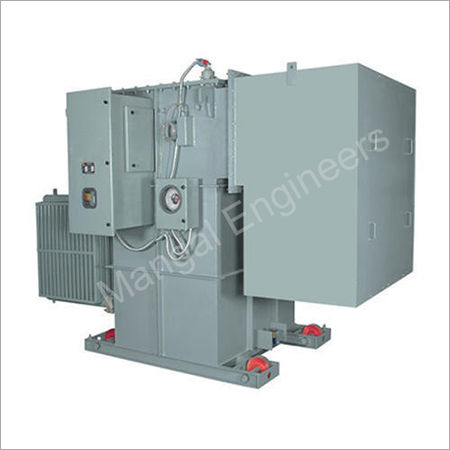
Three Phase Isolation Transformer
Price 100000 INR/ Set
Three Phase Isolation Transformer Specification
- Output Current
- As per rating (refer technical datasheet)
- Input Voltage
- 90V - 260V AC
- Output Voltage
- 220V / 230V AC (adjustable)
- Efficiency
- >98%
- Frequency (MHz)
- 50/60 Hz
- Phase
- Three Phase
- Warranty
- Yes
- Current
- As per rating (refer technical datasheet)
- Weight
- Depends on capacity, e.g. approx. 600 kg for 100 kVA
- Ambient Temperature
- -10C to +45C
- Degree of Protection
- IP23 / IP44 (customizable)
- Control System
- Manual/Automatic (optional)
- Usage
- Industrial / Commercial Isolation & Safety
- Insulation Resistance
- >1000 M at 500V DC
- Design
- Double Wound, Air/Oil Cooled
- Voltage Protection
- Inbuilt Over-Voltage & Under-Voltage Protection (optional)
- Display
- Optional Analog / Digital Voltmeter & Ammeter
- Dimension (L*W*H)
- Varies with rating (example: 900mm 750mm 1250mm for 100 kVA)
- Rated Power
- Up to 1000 kVA (customization available)
- Current Type
- AC
- Waveform Distortion
- Negligible (Typically < 1%)
- Product Type
- Three Phase Isolation Transformer
- Core Material
- High-grade Silicon Steel Laminations
- Dielectric Strength
- 2.5 kV for 1 minute
- Winding Material
- Electrolytic Grade Copper / Aluminum
- Paint Finish
- Epoxy Powder Coated Enclosure
- Mounting Type
- Floor Mounted Base Channel
- Standards Compliance
- IS 2026 / IEC 60076
- Short Circuit Withstand
- Designed as per IS/IEC standards
- Tap Changer
- Off-circuit Tap Links (optional)
- Cooling Type
- Natural Air / Oil Cooled
- Operating Altitude
- Up to 1000 m above sea level without derating
- Noise Level
- < 45 dB at 1 meter
Three Phase Isolation Transformer Trade Information
- Minimum Order Quantity
- 100 Kilovolts
- Supply Ability
- 1 , , Kilovolt Per Week
- Delivery Time
- 1 Week
About Three Phase Isolation Transformer
MEC Three Phase Isolation Transformer, 220 V availed by us is a special type of electrical machine that is designed to deliver power to the electrically actuated machines by isolating them from the power source. It is installed with best-in-class electrical and electronic elements that ensure controlled and safe functioning. The offered MEC Three Phase Isolation Transformer, 220 V is provided with a secured casing that gives excellent protection from harsh industrial conditions.
Technical specification
| Usage/Application | Industrial |
| Phase | Three Phase |
| Input Voltage | 220 415 v |
| Brand | MEC |
| Cooling Type | Dry type/Air cooled |
Superior Electrical Performance and Safety
Built with high-grade silicon steel laminations and double wound construction, this transformer delivers outstanding insulation resistance (>1000 M at 500V DC) and operates with negligible waveform distortion. Complying with global standards such as IS 2026 and IEC 60076, it guarantees reliable operation with proven short circuit withstand capacity and robust over/under-voltage protection options.
Customizable and Reliable for Diverse Applications
Designed for flexibility, our three phase isolation transformer supports output voltages of 220V/230V AC (adjustable) and rated powers up to 1000 kVA. Optional tap changers, manual/automatic controls, and voltage protection allow you to tailor the unit to your facility's exact requirements. With both floor mounting and choice of air or oil cooling, integration is seamless.
Ease of Operation and Enduring Build Quality
An epoxy powder-coated IP23/IP44 enclosure ensures durability in demanding industrial or commercial environments. The transformer maintains a quiet operation (noise <45 dB at 1 meter), features analog/digital voltage and current displays (optional), and is supported by a comprehensive warranty, ensuring peace of mind and dependable service throughout its lifespan.
FAQ's of Three Phase Isolation Transformer:
Q: What are the main advantages of using a three phase isolation transformer in industrial applications?
A: Three phase isolation transformers improve electrical safety by isolating equipment from the power source, minimizing electrical noise, and protecting devices from voltage fluctuations. They also reduce waveform distortion, support high efficiency (>98%), and help extend equipment lifespan in harsh industrial environments.Q: How is the transformer installed and where should it be mounted?
A: The transformer should be placed on a solid, level surface, ideally using its floor-mounted base channel. It is best located in a clean, dry, and well-ventilated area, indoors or in an enclosure rated at IP23/IP44 for added protection, ensuring a reliable and safe installation.Q: When would you select oil-cooled over air-cooled models?
A: Oil-cooled models are typically chosen for higher power ratings, continuous heavy-duty applications, or environments with higher ambient temperatures. They provide improved heat dissipation, allowing for longer operating life and better performance under sustained loads.Q: How does the transformer provide voltage stability and protection?
A: The transformer features adjustable output voltage (220V/230V AC), inbuilt over-voltage and under-voltage protection (optional), and off-circuit tap links for voltage tuning. These ensure a steady and reliable voltage supply, safeguarding connected devices against electrical disturbances.Q: What processes and standards does the transformer comply with?
A: The transformer is designed and manufactured in accordance with IS 2026 and IEC 60076, ensuring strict quality, reliability, and safety standards. Each unit undergoes rigorous testing, including dielectric strength and short circuit withstand tests, to ensure compliance.Q: Can the transformer be customized for different power ratings or operating altitudes?
A: Yes, transformers can be customized up to 1000 kVA and are engineered to operate at altitudes up to 1000 meters above sea level without derating. For specific requirements such as output voltage, control systems, cooling type, or degree of enclosure protection, customization is available to meet unique operational needs.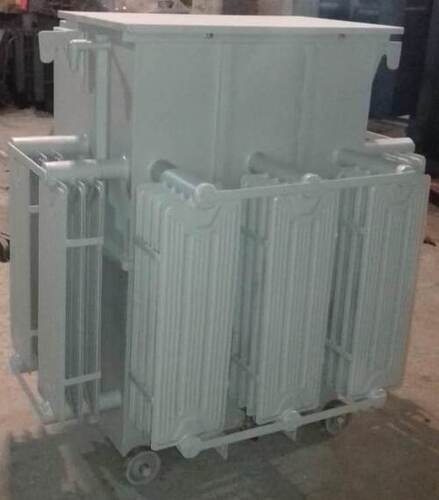

Price:
- 50
- 100
- 200
- 250
- 500
- 1000+

More Products in KVA Auto Power Stabilizers Category
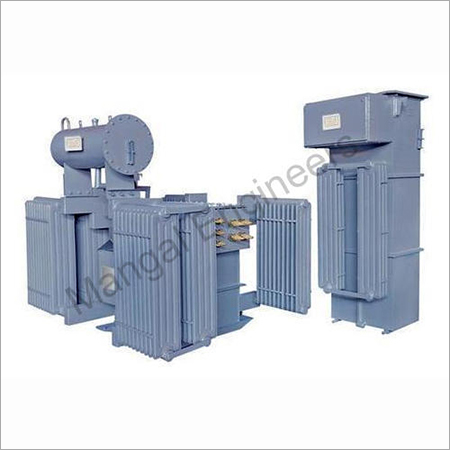
MEC Upto 2500 kVA LT AV Stabilizers
Price 2000000 INR / Set
Minimum Order Quantity : 100 Kilovolts
Phase : Three Phase
Input Voltage : 90V 260V AC
Product Type : LT Automatic Voltage Stabilizer
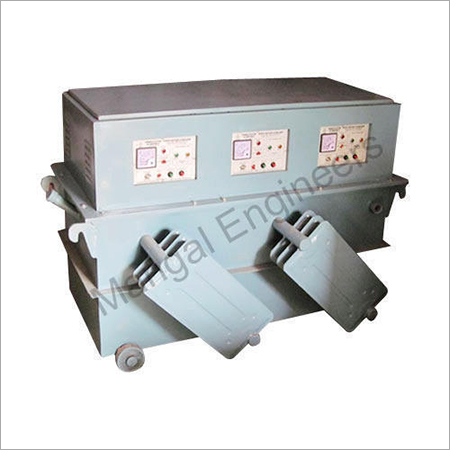
KVA Auto Power Stabilizers
Price 100000 INR / Set
Minimum Order Quantity : 100 Kilovolts
Phase : Single Phase
Input Voltage : 90V 260V AC
Product Type : KVA Auto Power Stabilizer
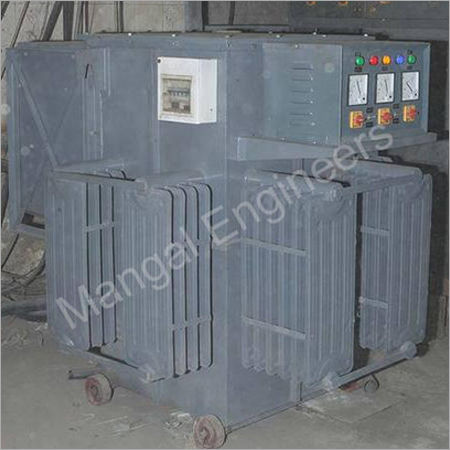
Three Phase Upto 2500 KVA Oil Cooled Servo Stabilizer
Price Range 10000.00 - 1000000.00 INR / Set
Minimum Order Quantity : 100 Kilovolts
Phase : Three Phase
Input Voltage : 90V 260V AC
Product Type : Servo Stabilizer
MEC Three Phase HT Automatic Voltage Controller, 450V
Price Range 10000.00 - 100000.00 INR / Set
Minimum Order Quantity : 100 Kilovolts
Phase : Three Phase
Input Voltage : 90V 260V AC
Product Type : HT Automatic Voltage Controller

GST : 03AAMFM3097R1ZK

|


 Send Inquiry
 Send Inquiry
 Send SMS
Developed and Managed by Infocom Network Private Limited.

